
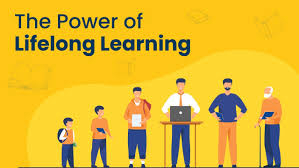
Lifelong learning is the ongoing, voluntary, and self‑motivated pursuit of knowledge for personal or professional reasons. It enhances social inclusion, active citizenship, personal development, and self‑sustainability. In an age defined by rapid technological change, globalization, and evolving job markets, adopting lifelong learning strategies is no longer optional; it is essential. This comprehensive guide explores practical, evidence‑based strategies that support effective lifelong learning, improve cognitive resilience, and empower you to adapt and thrive in an ever‑changing world.
What Is Lifelong Learning?
Lifelong learning refers to the continuous development of skills and knowledge beyond formal education. It encompasses formal, non‑formal, and informal learning across an individual’s lifespan. Formal learning includes structured programs like degree courses offered by institutions such as Harvard University or Stanford University. Non‑formal learning includes workshops, webinars, and certification programs, while informal learning includes self‑directed study, reading, and experiential learning.
Why Lifelong Learning Matters
In the 21st century economy, skills become outdated more rapidly than they did in the past. The rise of digital transformation and automation means that competencies in areas like artificial intelligence, data analysis, and cloud computing often require continuous updating. Lifelong learning empowers professionals to stay current, enhances employability, and supports personal fulfillment. Additionally, research in educational psychology indicates that adults who engage in continuous learning demonstrate higher levels of cognitive flexibility and resilience.
Core Principles of Lifelong Learning
Implementing lifelong learning successfully involves understanding several foundational principles:
Learner Autonomy
Learner autonomy emphasizes that individuals must take ownership of their learning goals and processes. Unlike formal education, where curricula are prescribed, lifelong learners set their own paths based on interests, career goals, and personal aspirations.
Metacognition and Reflective Practice
Metacognition, or “thinking about thinking,” refers to learners’ ability to evaluate their learning strategies and outcomes. Reflective practice, often associated with Donald Schön’s work, encourages professionals to reflect on experiences, adjust strategies, and deepen understanding.
Incremental Progress and Consistency
Lifelong learning is cumulative. Consistent, incremental efforts — such as 30 minutes of reading daily — result in significant long‑term growth. Setting small, achievable milestones helps maintain motivation and enables measurable progress.
Proven Lifelong Learning Strategies
Here are several practical strategies that individuals can adopt to make lifelong learning effective and sustainable.
Set Clear Learning Goals
Effective learning begins with clear, specific, and measurable goals. Use frameworks like SMART goals (Specific, Measurable, Achievable, Relevant, Time‑bound) to define what you want to learn and why. Goals provide direction and help you assess progress over time.
Develop a Personal Learning Plan
A personal learning plan acts as a roadmap for your growth. Begin by conducting a skills gap analysis to determine the difference between your current capabilities and the skills required to achieve your goals. Incorporate a timeline, preferred resources, and evaluation methods in your plan.
Leverage Microlearning
Microlearning involves breaking complex topics into small, focused units that can be completed in short durations. Platforms such as LinkedIn Learning and Coursera offer microlearning modules on topics ranging from project management to Python programming. Microlearning aligns with modern attention patterns and supports regular engagement.
Combine Multiple Learning Modes
Adults learn best when they engage multiple modalities. Combine reading, watching instructional videos, attending workshops, and engaging in hands‑on projects. For example, if you are learning web development, pair theoretical study with building real projects to reinforce understanding.
Use Spaced Repetition Techniques
Spaced repetition is a scientifically proven method of learning that involves reviewing information at increasing intervals. Tools like Anki and Quizlet help learners retain information more effectively compared to traditional cramming.
Seek Feedback and Mentorship
Feedback accelerates learning. Engage peers, mentors, or professionals who can review your work and provide constructive feedback. Mentorship relationships, whether formal or informal, offer insights, accountability, and encouragement.
Engage in Community Learning
Participating in communities like Stack Overflow, professional associations, or local study groups expands your learning network. Collaborative learning encourages knowledge sharing and exposes you to diverse perspectives, helping refine your understanding.
Reflect and Adapt
Regularly reflect on your progress and learning strategies. Ask yourself what’s working, what isn’t, and where adjustments are needed. Reflection transforms experience into actionable learning and fosters self‑improvement.
Lifelong Learning Tools and Resources
A wide array of tools supports lifelong learners across disciplines:
Online Learning Platforms
Platforms such as Udemy, edX, and Khan Academy offer courses across thousands of topics. These platforms often include interactive content, community forums, and certification options that support both personal and professional development.
Podcasts and Audiobooks
Podcasts and audiobooks provide flexible learning opportunities for busy professionals. Platforms like Audible and Spotify host expert‑led content covering science, business, history, and psychology, making it easy to learn during commutes or workouts.
Digital Libraries and Research Databases
Access to digital libraries such as Google Scholar and JSTOR enables learners to explore peer‑reviewed research and academic publications. These resources are invaluable for deep, evidence‑based learning.
Project‑Based Learning Platforms
Platforms such as GitHub and Kaggle promote project‑based learning. Engaging in real coding projects, datasets, or competitions facilitates applied learning and exposes learners to real‑world challenges.
Integrating Lifelong Learning into Daily Life
For lifelong learning to be effective, it should be integrated into your everyday routine. Here are practical tips for making learning habitual:
Allocate Dedicated Learning Time
Block specific time each day or week for learning activities. Prioritize this time as you would any important appointment. Consistency fosters habit formation and long‑term success.
Incorporate Learning in Routine Activities
Turn routine moments into learning opportunities. Listen to educational content while commuting, or read articles during breaks. Small, cumulative learning activities build momentum.
Make Learning Social
Learning with others increases accountability and motivation. Join study groups, participate in online forums, or attend seminars and webinars. Social learning also enhances understanding through discussion and collaboration.
Track and Celebrate Achievements
Maintain a learning journal or digital tracker that logs completed courses, books read, or skills acquired. Celebrating milestones fosters motivation and reinforces your lifelong learning identity.
Overcoming Common Challenges
Even committed learners encounter challenges. Here’s how to address some common obstacles:
Lack of Time
Many learners cite lack of time as a barrier. Prioritize learning by scheduling dedicated slots and integrating learning into daily routines. Microlearning can be particularly effective for those with busy schedules.
Overwhelm and Burnout
Attempting to learn too much at once leads to overwhelm. Focus on one or two goals at a time and ensure you balance learning with rest. Maintaining well‑being supports sustainable learning.
Fear of Failure
Fear of failure can inhibit learning. Adopt a growth mindset, a concept developed by Carol Dweck, which emphasizes that abilities can be developed through effort and learning. Embrace mistakes as opportunities to learn rather than indicators of incapability.
The Role of Organizations in Promoting Lifelong Learning
Organizations play a crucial role in fostering a culture of continuous learning. Companies that invest in employee development through training programs, mentorship, and learning stipends benefit from a more skilled, adaptable workforce. Initiatives such as corporate learning and development (L&D) programs and partnerships with educational platforms support professional growth and retention.
Additionally, governments and educational institutions promote lifelong learning through policies, community programs, and access to resources. Policies that support adult education, subsidized training, and flexible learning pathways empower citizens to pursue learning across their lifespan.
Conclusion
Lifelong learning strategies are essential in navigating the complexities of the modern world. By setting clear goals, leveraging diverse resources, and integrating learning into daily life, individuals can cultivate resilience, adaptability, and personal growth. Whether you are advancing your career, exploring new interests, or seeking intellectual fulfillment, adopting a lifelong learning mindset is a powerful investment in your future.
Continuous learning transforms not only what you know but how you think. Embrace the journey of lifelong learning, and let curiosity, persistence, and reflection guide your path to success.
