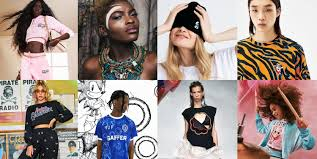
Fashion brand collaborations have become one of the most powerful trends in the global fashion industry, bridging the gap between designers, celebrities, and cultural movements. A fashion brand collaboration occurs when two or more brands, designers, artists, or influencers join forces to create limited‑edition apparel, accessories, footwear, or lifestyle collections that merge their distinctive creative visions. These partnerships are designed to generate buzz, expand customer bases, and drive revenue by combining audiences and aesthetics.
For decades, collaboration has played a pivotal role in shaping popular culture. When two prominent names come together, the result can be a cultural moment that transcends the original product. In recent years, fashion brand collaborations have also become essential components of strategic marketing campaigns in an overcrowded digital marketplace where consumers seek authenticity, exclusivity, and meaningful narratives.
The Evolution of Fashion Brand Collaborations
The concept of collaboration in fashion is not new, but its modern form has changed drastically. Early collaborations began simply with co‑branded products, but as consumer expectations evolved and social media grew in influence, collaborations became catalysts for creative reinvention.
In the late 20th century, high fashion houses like Chanel partnered with other luxury brands and artists to create collections that challenged conventional fashion rules. The impact of these pioneering partnerships set the stage for what would become a mainstream industry strategy.
When Nike teamed up with Virgil Abloh of Off‑White to reinterpret classic sneaker silhouettes like Nike Air Jordan 1 and Nike Air Presto, the fashion world witnessed how collaborations could blur the lines between streetwear culture and luxury fashion.
Why Fashion Brand Collaborations Matter
Fashion brand collaborations matter for several key reasons:
They Drive Innovation
Collaborative partnerships often push brands beyond their comfort zones. When Adidas partners with Balenciaga, the result is a fusion of sporty utility and high fashion aesthetics. The exchange of creative ideas encourages experimentation with materials, silhouettes, and narratives.
They Expand Audiences
Each brand involved in a collaboration brings its own loyal customer base. When H&M collaborates with luxury brands, it opens opportunities for aspirational consumers to access designer products at more attainable price points. Likewise, high fashion brands tap into broader demographics through this exposure.
They Build Cultural Relevance
Collaborations connect brands with culture and community. For example, when Supreme partners with Louis Vuitton, it celebrates a cultural intersection of high fashion and skate culture. These collaborations become landmark cultural moments that ripple through fashion, music, art, and media.
They Create Scarcity and Demand
Limited‑edition collections generate excitement and urgency among consumers. The exclusivity of collaborations often leads to product drops that sell out rapidly, further amplifying brand prestige. Sneaker releases between New Balance and designer partners such as Joe Freshgoods are prime examples of how scarcity can fuel desire and resale demand.
Types of Fashion Brand Collaborations
Collaborations can take many forms, and understanding these types helps brands and consumers recognize the opportunities within each partnership.
Designer x Designer
Designer x designer collaborations bring together two creative leaders to co‑design collections. These collaborations often combine signature styles in ways that feel fresh yet authentic. An example is the partnership between Riccardo Tisci and Nike, where Tisci’s luxury sensibility elevated heritage sportswear.
Brand x Brand
Brand x brand collaborations involve corporate partnerships between established companies. For instance, Levi’s has engaged in collaborations with The North Face to create hybrid products blending workwear aesthetics with performance features.
Artist x Brand
Artist x brand collaborations fuse visual art with fashion design. Takashi Murakami has worked with brands like Louis Vuitton and Fragment Design to translate art into wearable pieces, resulting in vibrant patterns and bold graphics.
Celebrity x Brand
Celebrity x brand collaborations leverage personal influence and star power. Beyoncé launched Ivy Park in collaboration with Adidas, blending performance apparel with lifestyle sensibilities.
Influencer x Brand
Influencer x brand collaborations utilize social media influencers to co‑create products and promote collections. These partnerships resonate with digital communities and help brands connect with younger audiences.
High‑Profile Case Studies in Collaboration
Studying successful collaborations offers insight into why these partnerships resonate.
Nike x Off‑White
The Nike x Off‑White collaboration, led by Virgil Abloh, revolutionized sneaker culture. Abloh’s deconstructed design language, marked by signature zip ties, quotation marks, and industrial graphics, transformed classic Nike silhouettes into coveted fashion artifacts. This partnership blurred the distinction between athletic wear and collectible design.
Supreme x Louis Vuitton
The Supreme x Louis Vuitton collaboration marked a seminal moment in the convergence of streetwear and high fashion. When these two icons came together, the result was a fusion of skate culture authenticity with haute couture prestige, leading to an unprecedented global media impact and heightened demand across generations.
H&M Designer Partnerships
H&M has established a recurring model of collaborating with high fashion designers to release affordable collections that carry luxury energy. Partnerships with designers such as Stella McCartney and Balmain democratize high fashion by offering aspirational design at accessible price points.
How to Execute a Successful Fashion Brand Collaboration
For businesses seeking to engage in collaborations, success depends on thoughtful strategy and execution.
Identify Complementary Partners
The most effective collaborations occur when brands share aligned values, audiences, or aesthetics. A successful partnership should feel organic rather than opportunistic.
Develop Unique Creative Concepts
A collaboration’s story and design should offer something genuinely new. Whether it’s a reinterpretation of heritage pieces, the inclusion of unique artwork, or a fresh narrative, creativity must be at the forefront.
Leverage Cross‑Channel Marketing
To maximize reach, brands should coordinate campaigns across social media, email marketing, influencer partnerships, digital advertising, and events. Collaborations thrive on visibility and storytelling.
Build Anticipation Through Exclusivity
Teasing product drops, hosting limited releases, and offering VIP access can generate excitement and urgency. Scarcity fuels buzz and attracts loyal brand advocates.
Monitor Performance and Feedback
After a launch, tracking metrics like sales, social engagement, website traffic, and customer feedback helps brands understand the collaboration’s impact and informs future initiatives.
SEO Benefits of Fashion Brand Collaborations
From an SEO perspective, fashion brand collaborations offer significant advantages.
Booster Keywords and Search Volume
When two names join forces, search interest typically spikes. Long‑tail keywords such as “Nike collaboration drops,” “Supreme Louis Vuitton collection,” or “H&M designer collabs” attract organic traffic and enhance rankings.
Content Opportunities
Collaboration launches provide rich content angles—product reviews, style guides, behind‑the‑scenes coverage, interview features, and trend analyses all contribute to fresh web content that search engines favor.
Backlinks and Media Coverage
High‑profile collaborations generate press attention, building natural backlinks from fashion journals, blogs, and news sites. These backlinks strengthen domain authority and improve SEO visibility.
Social Signals
Collaborations tend to yield strong engagement on social platforms. As users share and discuss product drops, brands benefit from increased social signals that positively influence overall online presence.
Future Trends in Fashion Brand Collaborations
As fashion evolves, several trends are shaping the future of collaborations.
Sustainability Partnerships
Brands are increasingly collaborating on sustainable fashion initiatives to create eco‑friendly lines that appeal to environmentally conscious consumers. Partnerships that emphasize recycled materials, ethical production, and circular economy principles are gaining traction.
Tech‑Driven Collaborations
Collaborations with technology companies and digital artists are expanding the fashion ecosystem. Whether through augmented reality try‑ons, NFT collections, or virtual fashion shows, tech integration is becoming a new frontier.
Cultural and Community‑Led Initiatives
Collaborations that celebrate cultural identity and community heritage resonate deeply with audiences. These partnerships prioritize storytelling and representation, emphasizing inclusivity and diversity.
Conclusion
Fashion brand collaborations are more than seasonal marketing tactics; they are dynamic cultural phenomena that reshape how consumers engage with style and identity. By merging creative visions, leveraging audience reach, and generating cultural relevance, collaborations have become essential components of modern branding in fashion.
Successful collaborations diversify product offerings, spark consumer excitement, and deliver substantial SEO benefits while reinforcing brand relevance in a competitive landscape. Whether through designer partnerships, celebrity collections, or cross‑industry alliances, the trend of collaboration continues to influence the fashion world and redefine the future of creativity.
If your brand is considering a collaboration strategy, focusing on authenticity, innovation, and strategic storytelling will help you stand out—and build meaningful connections with your audience.