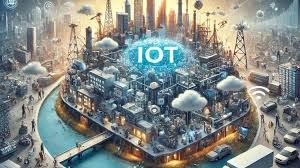
The Internet of Things (IoT) has become one of the most transformative technological forces of the 21st century, reshaping how companies operate, how people interact with technology, and how data fuels decision‑making. From connected homes to industrial automation, IoT innovations span a breathtaking range of applications. This blog explores the latest developments, real‑world examples, challenges, and future trends shaping the IoT landscape. Whether you are a business owner, technology professional, or a curious reader, this comprehensive guide will help you understand how IoT innovations are driving the next era of digital transformation.
What Is the Internet of Things
The Internet of Things (IoT) refers to the network of physical devices embedded with sensors, software, and connectivity that enables them to collect, exchange, and act on data. Devices communicate with each other and central systems using technologies such as Wi‑Fi, Bluetooth Low Energy (BLE), 5G, and LoRaWAN. Unlike traditional computing devices, IoT endpoints are designed to operate autonomously and in real‑time, making them ideal for monitoring, automation, predictive maintenance, and analytics. IoT innovations are not limited to a single industry; they are revolutionizing sectors such as healthcare, agriculture, transportation, manufacturing, retail, and smart cities.
Key IoT Innovations Driving Transformation
IoT innovation continues to evolve at a rapid pace. Some of the most impactful technological advances include edge computing, digital twins, AI‑powered analytics, enhanced connectivity, and secure device ecosystems. These innovations enable intelligent automation, real‑time decision‑making, and greater operational efficiency.
Edge Computing
Edge computing refers to processing data closer to where it is generated—on devices or local gateways—rather than sending it to centralized cloud servers. By reducing latency and bandwidth use, edge computing enables faster responses for critical operations. For example, in industrial IoT environments, sensors connected to equipment can detect anomalies in real time and trigger immediate alerts without waiting for cloud‑based processing.
Digital Twin Technology
A digital twin is a virtual replica of a physical object, system, or process. It enables organizations to simulate performance, identify issues before they occur, and optimize operations. General Electric’s digital twin solutions for turbines and jet engines exemplify how industrial IoT innovations can extend asset life and reduce downtime.
AI and Machine Learning Integration
Artificial intelligence and machine learning are key to converting IoT data into actionable insights. By analyzing massive data sets from IoT sensors, AI models can detect patterns, forecast outcomes, and automate decision‑making. In smart retail scenarios, AI analyzes customer movement captured by IoT sensors to optimize store layouts and inventory placement.
5G Connectivity
The rollout of 5G networks significantly enhances IoT capabilities by providing ultra‑fast data transfer speeds, massive device connectivity, and low latency. This enables real‑time communication for applications like autonomous vehicles, augmented reality (AR), and remote surgery, where milliseconds matter.
IoT Innovations in Healthcare
Healthcare has been among the most revolutionary adopters of IoT technologies. Connected medical devices, remote patient monitoring, and data analytics have improved care delivery, reduced hospital costs, and enabled personalized treatment plans.
Remote patient monitoring systems continuously collect vital signs such as heart rate, blood pressure, and glucose levels. These IoT devices transmit data to healthcare providers, allowing for proactive intervention when anomalies arise. Hospitals use IoT to track equipment, optimize resource allocation, and improve infection control through sensor‑based alerts.
Wearable Health Technologies
Wearable devices, including Apple Watch Series 9, Fitbit Charge 6, and other smart health trackers, demonstrate how IoT connects individuals to their health data. These devices monitor sleep patterns, activity levels, ECG, oxygen saturation, and fall detection. Not only do wearables empower consumers with insights into their health, but they also provide clinicians with real‑time data to support diagnoses and treatment adjustments.
IoT Innovations in Smart Cities
IoT is a cornerstone of the smart city vision, connecting infrastructure to improve sustainability, safety, traffic management, and public services. Smart traffic lights use sensor data and AI to optimize signal timing, reducing congestion and emissions. Connected environmental sensors monitor air quality, noise levels, and water usage, providing data to city planners for better public health outcomes.
Intelligent Transportation Systems
IoT enables real‑time monitoring of public transportation vehicles, informing passengers of schedules, delays, and occupancy levels. In cities like Barcelona, Spain, and Singapore, IoT‑based systems manage buses, trains, and bike‑sharing programs to ensure efficient and responsive urban mobility.
Energy and Utilities
Smart grids powered by IoT devices improve energy distribution and reduce waste. Connected meters provide consumers and utility providers with energy usage data, enabling demand response programs and dynamic pricing models that encourage conservation during peak hours.
IoT Innovations in Industrial Automation
Industrial IoT (IIoT) innovations are driving what is often termed Industry 4.0—the fourth industrial revolution characterized by automation, data exchange, and smart systems. IIoT technologies increase productivity, reduce maintenance costs, enhance safety, and improve product quality.
Predictive Maintenance
Predictive maintenance uses sensor data and machine learning models to predict equipment failures before they occur. This shifts maintenance from scheduled routines to need‑based interventions, minimizing downtime and lowering operational costs. Manufacturers leveraging IoT for predictive analytics have reported significant improvements in uptime and asset utilization.
Robotics and Autonomous Systems
Collaborative robots (cobots) connected through IoT networks automate repetitive tasks while working safely alongside human operators. These systems collect performance data to optimize workflows and adapt to changing production demands.
IoT Innovations in Agriculture
IoT is transforming agriculture into a precision‑driven practice. Farmers use connected sensors to monitor soil moisture, temperature, crop health, and livestock activity. These devices feed data into platforms that provide actionable insights, enabling resource optimization and sustainable farming solutions.
Smart Irrigation
Smart irrigation systems automatically adjust water delivery based on real‑time soil and weather data. By applying the right amount of water at the right time, farmers conserve water, improve yields, and reduce costs.
Drone Technology
Drones equipped with multispectral sensors survey crops, analyze vegetation health, and identify pest infestations. These IoT‑enabled aerial systems help farmers make precise interventions, reducing the reliance on fertilizers and pesticides.
IoT Innovations in Retail
Retailers deploy IoT solutions to enhance customer experiences, streamline inventory management, and increase operational efficiency. Smart shelves with weight sensors detect stock levels and trigger automatic restocking alerts. Beacons communicate with mobile apps to deliver personalized promotions to shoppers based on their in‑store behavior.
Contactless Payments and Checkout
IoT innovations in checkout technologies, including smart scanners and mobile wallets, reduce friction at point of sale. Retailers that implement IoT‑powered checkout systems experience faster transaction times and improved customer satisfaction.
Security and Privacy Challenges in IoT
Despite its many benefits, IoT innovation poses security and privacy challenges. With billions of connected devices, each endpoint becomes a potential entry point for cyberattacks. Weak authentication, outdated firmware, and unsecured communication channels make IoT systems vulnerable.
To address these risks, organizations must implement multi‑layer security strategies that include device authentication, encrypted communication, network segmentation, and continuous monitoring. Standards and frameworks such as ISO/IEC 27030 and NIST IoT Cybersecurity Guidelines help inform best practices for securing IoT ecosystems. Manufacturers are increasingly adopting hardware‑based security modules, secure boot processes, and regular software updates to safeguard connected devices.
The Future of IoT Innovation
The trajectory of IoT innovation shows boundless potential. Emerging technologies such as quantum computing, advanced AI, and next‑generation connectivity protocols like 6G promise to elevate IoT systems to new heights. Below are key trends expected to influence the next decade:
Autonomous Networks
Autonomous IoT networks will self‑configure, self‑repair, and optimize without human intervention. These networks enhance reliability and reduce the need for manual oversight.
Sustainability‑Driven IoT
IoT solutions will increasingly focus on environmental sustainability, enabling efficient energy usage, reduced emissions, and real‑time monitoring of environmental impact.
IoT and Blockchain Integration
Blockchain technology can provide secure, decentralized ledgers for IoT data, ensuring transparency and tamper‑proof records. This integration supports supply chain traceability, secure transactions, and auditability.
Human‑Machine Collaboration
IoT will continue to enhance collaboration between humans and machines. From augmented reality (AR) interfaces that assist field technicians to AI agents that support decision‑making, the human‑machine partnership will grow stronger.
Conclusion
Internet of Things innovations are revolutionizing the way we live and work. From enhancing industrial efficiency to enabling smarter cities and personalized healthcare, IoT technology is unlocking value across virtually every sector. The continuous evolution of connectivity, AI, and data analytics ensures that IoT will remain a vital force in digital transformation efforts worldwide. As businesses and individuals embrace IoT, the focus on security, sustainability, and intelligent automation will define the next frontier of connected innovation.