

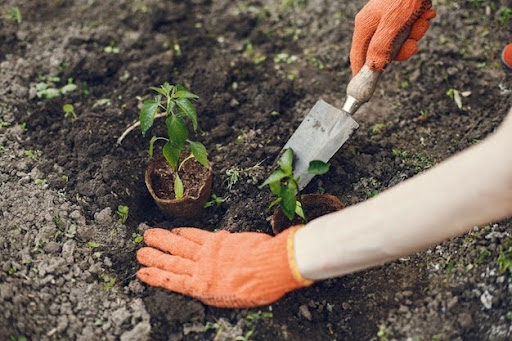
Many families and land managers are turning to eco-friendly alternatives when it comes to handling remains, and a soil cremation mixture has become an increasingly popular option. This approach blends cremated remains with organic soil amendments to support plant growth or create a lasting memorial garden. However, before choosing this method, there are several important factors to understand to ensure the process is handled respectfully, safely, and effectively for both the environment and the memory being honored.
1. Soil pH and Chemical Composition
Cremated remains are naturally high in alkaline compounds, primarily calcium, which can significantly raise soil pH if not properly balanced.
A well-formulated soil cremation mixture typically includes ingredients that neutralize this alkalinity, such as compost, peat moss, or specific mineral additives designed to counteract excess salts.
2. Plant Compatibility
Not all plants respond the same way to the altered soil chemistry created by cremated remains. Some species, like certain native grasses, succulents, or hardy shrubs, tolerate these mineral-rich, alkaline-leaning conditions far better than delicate flowering plants or acid-loving species.
Before finalizing your soil cremation mixture, it’s worth researching which plants thrive in these specific environments to avoid disappointment or repeated replanting later on.
3. Quantity and Dilution Ratios
Using too much cremated material relative to soil volume is one of the most common mistakes people make when attempting this process at home. Experts generally recommend heavily diluting remains with organic matter, often at ratios far higher than most people expect, to prevent chemical burn or long-term soil damage.
Understanding proper ratios ensures the mixture supports healthy growth rather than harming the very memorial garden it’s meant to nurture and sustain.
4. Legal and Regulatory Considerations
Depending on your location, there may be specific regulations governing how cremated remains can be used, scattered, or incorporated into soil, particularly on public land, protected areas, or shared community spaces.
Before creating a soil cremation mixture, it’s important to check local laws regarding memorial gardens, burial alternatives, and environmental protections to avoid unintended legal complications down the road.
5. Container or Planting Location
Where you choose to use the mixture matters significantly for long-term success. Some families opt for a dedicated memorial garden bed, while others use large planters or place mixtures around the base of a meaningful tree.
Each location comes with different drainage, sunlight exposure, and soil-depth considerations that can affect how well the mixture integrates with existing conditions.
6. Long-Term Maintenance Needs
A soil cremation mixture isn’t necessarily a one-time application, ongoing soil testing and amendment may be needed to maintain balanced pH levels over time.
Families should be prepared for occasional monitoring, especially in the months following initial use, to catch any imbalances before they affect nearby plant health.
Final Thoughts
Creating a lasting, respectful memorial through a soil cremation mixture requires attention to chemical balance, plant selection, legal guidelines, and long-term care. When approached thoughtfully, this method offers a meaningful way to honor a loved one while supporting new life in a garden or natural setting for years to come.